2022年世界野生動植物日主題公布:“恢復(fù)關(guān)鍵物種 修復(fù)生態(tài)系統(tǒng)”
來源:
發(fā)布時間:2021-11-19
瀏覽次數(shù):566
"Recovering key species for ecosystem restoration" announced as theme of World Wildlife Day 2022
2022年世界野生動植物日主題公布:“恢復(fù)關(guān)鍵物種 修復(fù)生態(tài)系統(tǒng)”
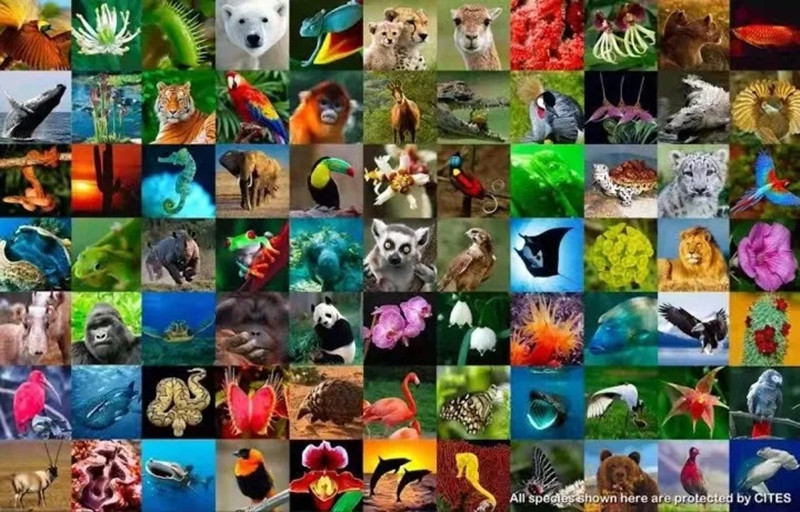
UN World Wildlife Day 2022 to raise awareness of the state of endangered and critically endangered wildlife, and to highlight the power of conservation efforts seeking to reverse their fate.
2022年聯(lián)合國世界野生動植物日旨在提高人們對瀕危和極危野生動物狀況的認(rèn)識,并強(qiáng)調(diào)通過保護(hù)工作的力量來扭轉(zhuǎn)它們命運(yùn)。
Geneva, 15 November 2021 - According to figures by the International Union for Conservation of Nature’s Red List of Threatened Species, over 8,400 species of wild fauna and flora are critically endangered, while close to 30,000 more are understood to be endangered or vulnerable. Based on these estimates, it is suggested that over a million species are threatened with extinction.
日內(nèi)瓦�,2021年11月15日-世界自然保護(hù)聯(lián)盟(IUCN)《瀕危物種紅色名錄》數(shù)據(jù)表明,全球有超過8400種野生動植物處于極危狀態(tài)���,另有近30000種被認(rèn)為是瀕危或易危物種����。據(jù)此估計(jì)�,全世界有超過100萬種野生動植物瀕臨滅絕����。
Continued loss of species and degradation of habitats and ecosystems threatens humanity as a whole, as people everywhere rely on wildlife and biodiversity-based resources to meet all their needs, from food, medicines and health to fuel, housing, and clothing.
從食品、藥品�、衛(wèi)生到燃料����、住房��、服裝����,野生動植物和生物多樣性都是人們賴以生存的基礎(chǔ)����。物種數(shù)量的持續(xù)減少和棲息地、生態(tài)系統(tǒng)的退化威脅著所有人類的生存��。
The Secretariat of the Convention on International Trade in Endangered Species of Wild Fauna and Flora (CITES) announced today the theme of the United Nations World Wildlife Day 2022: "Recovering key species for ecosystem restoration". Leading up to the year when the post 2020 Global Biodiversity Framework is expected to be adopted, drawing attention to the status of some of the most critically endangered species of wild fauna and flora and their role in ecosystems will send a powerful message for urgent commitment. The theme will also highlight the impact of conservation efforts and promote best practice examples where species were brought back from the brink, and it will drive discussions towards imagining and implementing new solutions to conserve and sustainably use others.
《瀕危野生動植物種國際貿(mào)易公約》(CITES)秘書處今天宣布了2022年聯(lián)合國世界野生動物日的主題:“恢復(fù)關(guān)鍵物種 修復(fù)生態(tài)系統(tǒng)”?���!?020年后全球生物多樣性框架”預(yù)計(jì)在2022年通過���,這將釋放一個強(qiáng)有力的信號����,敦促各方關(guān)注瀕危野生動植物物種現(xiàn)狀及其在生態(tài)系統(tǒng)中的作用����。這個主題還將突出保護(hù)成效的影響���,宣傳拯救瀕危物種的最佳實(shí)踐案例����,并將推動討論如何設(shè)想和實(shí)施保護(hù)和可持續(xù)利用其他物種的新方案。
CITES Secretary-General Ivonne Higuero said: "Biodiversity loss is an existential threat to people and planet. The continued loss of wildlife species threatens to undermine entire ecosystems and puts into peril the well-being of all who rely on them. Yet, this is not inevitable: we have the power to change course and restore threatened species and their habitats. With the theme of “Recovering key species for ecosystem restoration”, we wish to inspire action towards reversing the fate of key species of animals and plants. It is our hope that World Wildlife Day will help chart a path towards a sustainable future, with the goal of living in harmony with nature. Ultimately, we hope to spur on the needed political will to adopt a robust post 2020 Global Biodiversity Framework and secure our common future."
CITES秘書長伊沃妮·伊格羅說:“生物多樣性的喪失是對地球和人類生存的威脅�。野生動植物物種的持續(xù)減少威脅著整個生態(tài)系統(tǒng)和所有依賴它們生存的人類���。然而�����,這并非不可避免:我們有能力改變并恢復(fù)受脅物種數(shù)量及其棲息地。我們希望通過“恢復(fù)關(guān)鍵物種 修復(fù)生態(tài)系統(tǒng)”這個主題,鼓勵人們采取行動扭轉(zhuǎn)關(guān)鍵物種的命運(yùn)。我們希望世界野生動物日可以幫我們描繪出一條人與自然和諧共生的����、通往可持續(xù)發(fā)展未來的道路��。最重要的是我們希望激發(fā)必要的政治意愿,通過一個強(qiáng)有力的“2020年后全球生物多樣性框架”,保護(hù)我們的共同未來?��!?/span>
The Day also aims to support all ongoing efforts towards the accomplishment of the United Nations Sustainable Development Goals (SDGs), and in particular Goals 1 (No Poverty), 2 (Zero hunger) 12 (Ensure sustainable consumption and production patterns), 13 (Climate Action) 14 (Life Below Water) and 15 (Life on Land) as biodiversity and healthy ecosystems are a foundation for sustainable development.
世界野生動植物日還旨在支持為聯(lián)合國可持續(xù)發(fā)展目標(biāo)(SDGs),特別是目標(biāo)1(消除貧困),目標(biāo)2(消除饑餓)���,目標(biāo)12(負(fù)責(zé)任的消費(fèi)和生產(chǎn)),目標(biāo)13(氣候行動)、14(水下生物)和目標(biāo)15(陸地生物)所做的一切努力����,因?yàn)樯锒鄻有院徒】档纳鷳B(tài)系統(tǒng)是可持續(xù)發(fā)展的基礎(chǔ)。����。
The CITES Secretariat, the UN Development Programme (UNDP) and other UN system organizations, Member States, biodiversity-related conventions, and private sector and civil society actors, are unrolling a series of global online activities around World Wildlife Day 2022.
CITES秘書處�、聯(lián)合國開發(fā)計(jì)劃署(UNDP)和其他聯(lián)合國系統(tǒng)組織、成員國�����、生物多樣性相關(guān)公約��、私營部門及社會團(tuán)體將在圍繞2022年世界野生動植物日展開一系列全球線上活動����。
This includes a high-level online event on 3 March 2022, a film showcase organized with Jackson Wild and UNDP, and an international youth art competition organized with the International Fund for Animal Welfare (IFAW).
包括2022年3月3日舉辦高級別線上活動�����、與聯(lián)合國開發(fā)計(jì)劃署(UNDP)和杰克遜·懷爾德(Jackson Wild)組織的電影展示活動以及與國際愛護(hù)動物基金會(IFAW)組織的國際青少年藝術(shù)比賽�����。
In line with the UN General Assembly Resolution proclaiming World Wildlife Day, the CITES Secretariat calls on all member States and organizations of the United Nations system and other global, regional and sub-regional organizations, non-governmental organizations and all interested individuals, to:
根據(jù)聯(lián)合國大會宣布的世界野生動植物日的決議�����,CITES秘書處呼吁所有成員國、聯(lián)合國系統(tǒng)各組織以及其他全球��、區(qū)域和次區(qū)域組織�、非政府組織和所有感興趣的個人:
observe and raise awareness of the theme for World Wildlife Day;
involve indigenous peoples and rural and local communities with experience and knowledge in the use and conservation of vulnerable species and ecosystems in all World Wildlife Day events and celebrations;
associate the celebrations with major national and international conservation events;
build collaborative partnerships;
make use of the World Wildlife Day logos as widely as possible.
·了解并提高對世界野生動物日主題的認(rèn)識;
·在所有世界野生動植物日活動和慶?����;顒又?�,邀請?jiān)诒Wo(hù)、利用易危物種和生態(tài)系統(tǒng)方面有經(jīng)驗(yàn)和知識的原住民�、鄉(xiāng)村及地方社區(qū)參與�����;
·將慶祝活動與國家和國際重大的保護(hù)活動聯(lián)系起來;
·建立合作伙伴關(guān)系��;
·盡可能廣泛地使用世界野生動植物日的標(biāo)志�。
資料來源 CITES